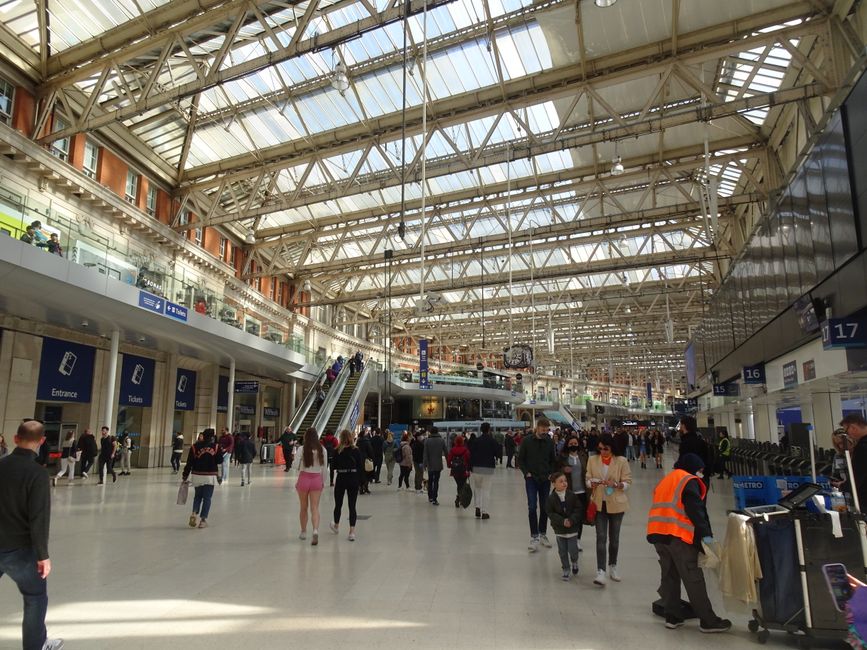
Waterloo Station pickup advice for local removals
If you are planning a move near Waterloo Station, the pickup itself can be the part that feels oddly complicated. Busy roads, tight kerb space, station footfall, rush-hour pressure, and the usual London "just one more delivery van" problem can turn a simple collection into a stressful half-hour very quickly. This guide to Waterloo Station pickup advice for local removals is here to make that part easier.
Whether you are collecting furniture from a flat, shifting office items, moving student belongings, or arranging a same-day local removal, the aim is the same: get in, load safely, and get away without wasting time or creating avoidable hassle. We will walk through how it works, what helps, what goes wrong, and how to plan a pickup that feels calm rather than chaotic. Truth be told, a good pickup plan saves more energy than people expect.
One quick note before we begin: Waterloo is one of those places where a few small decisions matter a lot. The right vehicle, the right timing, and a clear loading plan can make the difference between a clean collection and a long, frustrating wait by the kerb.
Table of Contents
- Why Waterloo Station pickup advice for local removals matters
- How Waterloo Station pickup advice for local removals works
- Key benefits and practical advantages
- Who this is for and when it makes sense
- Step-by-step guidance
- Expert tips for better results
- Common mistakes to avoid
- Tools, resources and recommendations
- Law, compliance, standards, or best practice
- Options, methods, or comparison table
- Case study or real-world example
- Practical checklist
- Conclusion
- Frequently asked questions
Why Waterloo Station pickup advice for local removals Matters
Waterloo Station sits in one of the busiest corners of central London, and that alone changes the game. A pickup that would feel straightforward in a quieter suburb can become fiddly here because traffic builds quickly, pedestrian movement is constant, and kerb access is often limited or time-sensitive.
For local removals, the pickup point is usually where delays begin. If your vehicle cannot stop close enough, your crew spends longer carrying items. If the route is blocked, even briefly, the schedule starts slipping. And if you have not planned the collection around station activity, local road patterns, or building access, you may end up doing a lot of waiting. Nobody needs that on moving day.
The other reason it matters is simple: a smooth pickup protects your items. Cabinets, monitors, mirrors, and soft furnishings are easier to load properly when there is enough room to manoeuvre. Less rushing usually means less damage. To be fair, most moving problems are not dramatic disasters; they are just a stack of small inconveniences that nibble away at time, patience, and budget.
There is also a customer-experience angle. If you are arranging a move for a flat, office, or furniture collection around Waterloo, the pickup sets the tone. A clean start tends to create a clean finish. And once things are on the truck, the rest often feels far less stressful.
How Waterloo Station pickup advice for local removals Works
At a practical level, good Waterloo Station pickup planning means matching three things: location, vehicle, and timing. The pickup may be from a residential street, a commercial building, or a storage point nearby, but the same principle applies. You need to know where the vehicle can pause safely, how long loading should take, and whether there are restrictions that affect access.
In London, this usually means thinking beyond the front door. You may need to consider narrow roads, loading bays, controlled parking zones, permits, one-way systems, and the distance between the item and the vehicle. A "quick pickup" is only quick if someone has already worked through those details.
For local removals around Waterloo, smaller vehicles are often easier for tight spaces, especially if access is restricted. Larger trucks can work well too, but only when there is suitable room to stop, load, and depart without causing a bottleneck. If you are moving bulky items or several rooms' worth of belongings, the loading plan matters just as much as the truck size.
The process usually looks like this:
- Confirm the pickup address and the item list.
- Check access, floor level, lift use, and parking or stopping options.
- Choose the right vehicle for the quantity and size of items.
- Schedule the collection for a sensible time window, not just "whenever".
- Prepare items so the crew can load quickly and safely.
- Keep contact details ready in case access changes at short notice.
That may sound obvious, but in the real world the "obvious" part is exactly what gets skipped. Then everybody is standing around at 8:15 in the morning wondering where the trolley is. Not ideal.
Key Benefits and Practical Advantages
When the pickup is planned properly, the benefits show up immediately. Less waiting, fewer carry trips, smoother loading, and a lower chance of last-minute scrambling. You will notice the difference most when the location is busy or awkward.
- Faster loading: When the vehicle can stop close to the pickup point, items move straight from property to van or truck.
- Lower risk of damage: Fewer handovers and less rushing usually mean safer handling.
- Better control of time: Local moves can stay on schedule instead of slipping because of access issues.
- Less disruption: Good planning reduces the chance of blocking neighbours, residents, or pedestrians.
- More accurate pricing: A clearer pickup plan helps avoid surprise time overruns and extra labour.
Another benefit that people often miss is confidence. When you know the pickup has been thought through, the rest of the move feels easier. You are not constantly checking your phone or wondering whether the vehicle will even be able to stop nearby. That mental breathing room matters more than most people realise.
For businesses, there is also a professionalism angle. If you are moving stock, office furniture, or equipment, a tidy pickup reflects well on you. Staff see it. Customers see it. And frankly, it just makes life cleaner.
Who This Is For and When It Makes Sense
This kind of advice is useful for a lot of people, not just big households moving across London. In our experience, the people who benefit most are the ones dealing with tight timing or awkward access. That is the Waterloo story in a nutshell.
- Home movers: If you live in a flat near Waterloo or on a nearby street with limited parking, planning the pickup carefully can save a lot of stress.
- Flat-share residents: Shared entrances, stairs, and narrow hallways make a sensible loading approach even more important.
- Students: Smaller moves can still be tricky if they involve multiple bags, boxes, or last-minute timing around travel.
- Office managers: Collections of desks, IT equipment, and archive boxes need a clear route and a tight schedule.
- Furniture buyers and sellers: If you are arranging a pick-up for a sofa, table, or wardrobe, you want the collection to feel neat and predictable.
- Landlords and letting agents: Turnover days are busy enough already; a smooth pickup helps keep the day moving.
It also makes sense if you have to work around a station-adjacent timetable. Maybe you need the collection done before the morning rush, after a meeting, or in a narrow window between key handovers. That is where preparation pays off.
If the move involves large items, a shared stairwell, or a same-day deadline, this advice becomes even more relevant. A little planning now can spare you a very long afternoon later.
Step-by-Step Guidance
Here is a practical way to organise a Waterloo Station pickup without overcomplicating it.
1. Confirm exactly what is being collected
List every item. Not approximately. Exactly. A sofa is not the same as a sofa plus footstool, lamp, and three boxes of "miscellaneous bits" that somehow become very substantial when you are lifting them. Measurements help too, especially for bulky furniture or awkward shapes.
2. Check access before the vehicle arrives
Look at the property entrance, stairwell, lift, corridor width, and the walk from the door to the stopping point. If you expect the crew to carry items a long way, factor that in early. It changes timing more than people think.
3. Match the vehicle to the job
A smaller van may be ideal for local removals where access is tight. A larger removal truck may suit bigger loads or jobs with more volume. The key is not choosing the biggest option by default. Bigger is not always better. Sometimes it is just harder to park.
4. Choose a sensible collection time
Try to avoid obvious pressure points if your schedule allows it. Early mornings can work well, but only if the loading team is ready. Midday can be manageable in some cases, though road movement may be busier. Evening collections can suit certain jobs too, especially if the building or customer schedule makes that easier.
5. Prepare items for fast loading
Disassemble what can be safely taken apart. Tape drawers shut. Protect mirrors and screens. Put loose screws, cables, and fixings in labelled bags. It sounds minor, yet it saves time in the one moment when time feels precious.
6. Keep communication open
If the crew is delayed or access changes, tell them quickly. Likewise, make sure the vehicle team can reach you if a loading bay is occupied or the entrance is blocked. A 30-second call can prevent a 30-minute problem.
7. Load in the right order
Heavy and solid items usually go in first. Fragile things should be protected and secured so they do not slide. If you are collecting several pieces of furniture, think about the order they will need to come off at the destination too. That tiny bit of forward planning pays off.
8. Do a final walk-through
Before the vehicle leaves, check cupboards, plug sockets, balcony spaces, and behind doors. You would be amazed how often something small gets left behind. It happens to the best of people. The kettle, the charging cable, the one box that was "definitely by the hallway"...
Expert Tips for Better Results
After enough local moves, the patterns become pretty clear. The jobs that go smoothly usually share the same habits.
Tip 1: build in buffer time. Waterloo is not the place to plan a pickup too tightly. Give yourself a margin for loading, walking distance, or the occasional blockage by a delivery van or black cab.
Tip 2: protect fragile items before the crew arrives. If the team turns up and you are still wrapping plates or hunting for tape, the pace changes straight away. Get the soft materials ready beforehand.
Tip 3: label boxes by room and priority. That helps the loading team keep the move organised and makes unloading easier later. It also saves that slightly embarrassing moment where nobody can tell whether a box contains books or kitchenware.
Tip 4: think about lifting points. Handles, straps, and grip areas matter. If a dresser has no safe grip, point that out before anyone starts forcing it through a doorway.
Tip 5: use the smallest practical vehicle that still fits the load. In tight city areas, manoeuvrability is often more valuable than sheer capacity.
Tip 6: keep pathways clear. Shoes by the door, plant pots, laundry baskets, bins, coat stands. All of it slows things down. Clear route, clear head.
Tip 7: ask about insurance and handling standards. If you are booking help for a valuable or fragile collection, you want to know how the items will be protected during loading and transport. Peace of mind counts.
Small things help. A lot. There is nothing glamorous about a roll of tape and a label marker, but they are quiet heroes on move day.
Common Mistakes to Avoid
Most pickup problems are avoidable. That is the frustrating part. They are not random acts of fate; they are usually planning gaps.
- Underestimating traffic and loading time: Central London timing can be less forgiving than people expect.
- Booking the wrong vehicle size: Too small means extra trips. Too big can mean access headaches.
- Ignoring parking or stopping constraints: If the vehicle cannot pause legally and safely, everything slows down.
- Leaving packing until the last minute: Late packing leads to rushed loading, and rushed loading is where things get damaged.
- Forgetting building access details: Lift booking, entry codes, concierge rules, and stair access all matter.
- Not communicating changes quickly: If the plan shifts, say so early.
- Assuming "local" means "easy": A short distance does not always mean a simple job.
One mistake I see often is people focusing only on the destination and forgetting the pickup. They spend hours planning where the sofa is going, but barely think about how it will leave the building. The pickup is the first test. Get that right and the day settles down fast.
Tools, Resources and Recommendations
You do not need a lot of fancy kit for a local pickup, but a few practical items make life much easier.
- Moving blankets or furniture covers: Useful for protecting polished surfaces and corners.
- Strong tape and labels: Keep boxes sealed and clearly marked.
- Straps and trolleys: Helpful for heavier items, especially over short but awkward distances.
- Floor protection: Worth using in hallways, communal areas, and entrances if the building allows it.
- Boxes for loose items: Keeps cables, remotes, fittings, and small personal items from disappearing into the general chaos.
- Measuring tape: A quick check can prevent a lot of guesswork.
If you are booking a service rather than doing everything yourself, it is worth looking at the provider's wider support as well. For example, the services around removal services can be useful if you want a broader moving plan rather than a one-off lift and shift. If the job is more specialised, you may also want to compare man and van options with a more structured moving setup.
For people collecting large household pieces, furniture removals may be the better fit, while office teams often need a more organised approach through office removals or broader commercial moves. Those pages are helpful if your pickup is part of a bigger transition rather than a single collection.
And if packing is half the battle, a service such as packing and unpacking services can save time and reduce the risk of breakage. Sometimes the smartest move is not doing every piece yourself. That is just common sense, really.
Law, Compliance, Standards, or Best Practice
For pickups around Waterloo, the main compliance concerns are usually practical rather than dramatic: safe loading, sensible stopping, respect for local access rules, and care for people, property, and public space. If you are using a professional mover, it is sensible to ask how they handle health and safety, vehicle loading, and item protection.
Best practice in the UK moving industry generally includes safe lifting, clear communication, appropriate insurance arrangements, and careful handling of fragile or heavy goods. If a building has its own rules, such as booked lift times, loading restrictions, or concierge procedures, those need to be followed too. That may sound obvious, but it is exactly where avoidable delays creep in.
For customers, one useful habit is to check service terms before booking. Pages such as terms and conditions, insurance and safety, and health and safety policy can help you understand what is covered and what responsibilities sit where. If the pickup is part of a paid service, that clarity matters.
If you are concerned about payments, handling, or data sharing, it is also sensible to review payment and security and privacy policy. Those may not be the most exciting pages on earth, granted, but they do help build trust before the move even starts.
Finally, if you have an issue after the job, a clear route for feedback is useful. A company's complaints procedure tells you how problems are handled, which is reassuring when you want accountability rather than vague promises.
Options, Methods, or Comparison Table
Different pickup methods suit different kinds of local removals. The right choice depends on volume, access, distance, and how much help you want on the day.
| Option | Best for | Strengths | Trade-offs |
|---|---|---|---|
| Man and van | Small to medium local pickups | Flexible, practical, often easy to park and load | May need more trips for larger loads |
| Removal van | Typical household collections | Balanced size, good for city access | Capacity may be limited for bigger moves |
| Removal truck | Larger loads or fuller home moves | More space, efficient for bulkier jobs | Harder to position in tight central areas |
| Full removal service | Complex moves, fragile items, busy schedules | More support, better planning, less pressure on you | Usually more involved than a basic pickup |
| Self-managed collection | Very small pickups or DIY moves | Cheapest-looking option, lots of control | Higher personal effort, more chance of delays |
For Waterloo specifically, smaller and more nimble options often work best if access is tight. But if you are shifting a flat's worth of items, a slightly bigger setup can save time overall. There is no one-size-fits-all answer. It depends on the building, the street, and frankly how much patience you have left by the time the van arrives.
Case Study or Real-World Example
Imagine a couple collecting furniture from a flat near Waterloo Station on a weekday morning. They have a sofa, a dining table, a chest of drawers, and several boxes. On paper, it looks simple enough.
But the entrance is narrow, the lift is small, and there is limited stopping space outside. If they arrive without a loading plan, the move could drag on while someone runs back and forth between the flat and the vehicle. The sofa becomes awkward, the table needs extra protection, and the boxes get stacked in a rush.
Now imagine the same pickup with better preparation. The vehicle is chosen for local access rather than maximum size. The items are measured beforehand. Fragile pieces are wrapped. The crew knows which item comes out first, which item needs two people, and where the vehicle can safely wait for loading. It is still a city pickup. It is still Waterloo. But it feels calmer, quicker, and much more controlled.
That is the practical difference good advice makes. Not magic. Just fewer unknowns.
We have seen the same pattern with office collections too. When a team prepares laptops, chairs, and archive boxes by zone or department, loading becomes much easier. Even one hour of organisation beforehand can save a messy afternoon later. A bit of structure goes a long way.
Practical Checklist
Use this simple checklist before your Waterloo pickup:
- Confirm the exact pickup address and contact name.
- List all items, including bulky or fragile pieces.
- Measure large furniture and check doorways or lifts.
- Decide whether a van, removal truck, or fuller service is needed.
- Check parking, stopping, and building access.
- Book a realistic time window with some buffer.
- Pack loose parts, screws, and cables in labelled bags.
- Protect fragile surfaces with covers or blankets.
- Clear hallways, stairs, and entrances before arrival.
- Keep your phone on and available for the collection team.
- Do a final sweep of the property before departure.
- Review the provider's policies if you are booking professional help.
Quick expert summary: The best Waterloo Station pickup advice for local removals is not about doing more; it is about removing friction. Choose the right vehicle, prepare the access, and give yourself enough time to load properly. That is where the win usually is.
Conclusion
Planning a pickup near Waterloo Station does not have to feel like a logistical puzzle. Once you focus on access, timing, vehicle choice, and loading order, the whole thing becomes much more manageable. For local removals, that preparation is often the difference between a move that feels rushed and one that feels under control.
If you are moving furniture, handling a small flat move, or organising a more involved office collection, start with the pickup. Get that part right and everything else tends to fall into place more smoothly. And if it still feels a bit much, that is normal. City moves can be fiddly. They just can.
Get a free quote today and see how much you can save.
Sometimes the smartest move is the simplest one: plan well, stay calm, and let the day unfold one box at a time.
Frequently Asked Questions
What is the best time for a Waterloo Station pickup?
The best time depends on traffic, building access, and how busy the surrounding streets are. Earlier windows often work well if you want to avoid heavier movement, but the key is choosing a time when the team can load without pressure. A realistic buffer helps more than people expect.
Do I need a big removal truck for a local pickup near Waterloo?
Not always. For smaller loads, a van or man and van service may be more practical because it is easier to position in tighter streets. A larger truck makes sense if you have a fuller load, but it is only helpful if access allows it.
How do I prepare furniture for a station-area collection?
Clean the route, remove loose parts, wrap fragile surfaces, and label anything that needs special care. If furniture can be safely dismantled, do that in advance. It makes loading faster and reduces the chance of damage.
What if there is nowhere to stop near the pickup point?
That is common in busy central London areas. In that case, the crew may need to stop slightly further away and carry items the extra distance. It is better to plan for that from the start rather than assume a perfect kerbside space will be available.
Is a same-day pickup realistic around Waterloo?
Yes, in some cases. Same-day removals can work for smaller jobs or straightforward collections, especially when access is clear and the items are ready to go. The more complex the pickup, the more important it becomes to confirm timing early.
What should I do if my building has a lift booking system?
Book it as early as possible and tell the moving team what slot you have. Lift access can shape the entire schedule, so it is not something to leave until the last minute. If the lift is small, mention that too.
How can I reduce the risk of damage during loading?
Use covers, tape down loose parts, and make sure the route from the property to the vehicle is clear. Fragile items should be handled separately, and heavier items should be lifted with proper support. Rushing is usually what causes trouble.
Are man and van services suitable for furniture pickups?
Often yes. They can be a very practical choice for furniture removals and smaller local jobs. If the pickup involves several large items or multiple floors, just check that the van size and help level are suitable before booking.
What should I check before booking a mover near Waterloo?
Ask about vehicle size, access planning, insurance, timing, and what is included in the service. It is also sensible to review the provider's terms, safety policy, and pricing details so there are no surprises later.
Can I use storage if my new place is not ready?
Yes, storage can be a very useful bridge if your timings do not line up. It can take the pressure off the pickup day, especially when a move is happening in stages or the new property is not yet accessible.
What is the biggest mistake people make with Waterloo pickups?
The biggest mistake is underestimating access. People often focus on the item itself and forget the street, the entrance, the lift, or the stopping point. In a place like Waterloo, access planning is half the job.
How far in advance should I plan a local removal pickup?
If your move is simple, a short lead time may be enough. If you have fragile items, awkward access, or a larger load, earlier planning is better. The more complex the pickup, the more useful it is to sort the details before moving day arrives.
Contact us if you want to talk through access, timing, or the best setup for your pickup near Waterloo Station. A quick conversation upfront can make the whole move feel much lighter.